If you’re new to the idea that a smartphone can be a ticket to the next big entertainment trend, you’re not alone. In Australia, the average citizen now owns a device that can stream music, stream movies, stream games, and stream a whole new way of socialising. The shift isn’t subtle: it’s changing how we spend our evenings, our commutes, and even our weekends.
What Exactly Is Mobile Gaming?
Mobile gaming refers to video games that run on smartphones or tablets. Unlike console or PC titles, these games are designed for touch controls, short sessions, and a variety of monetisation models such as free‑to‑play with in‑app purchases or ad‑supported gameplay. In 2023, Australia’s mobile gaming market generated roughly AUD 4.2 billion in revenue, a 12 % increase from the previous year.
Three Ways Mobile Gaming Is Changing the Entertainment Landscape
1. Accessibility and Convenience
Before smartphones, you needed a console, a PC, or a travel ticket to a gaming centre. Now, a new title can be downloaded in under 30 seconds, and you can play it on the bus, at the café, or while waiting for a friend. This immediacy has pushed casual gamers—who make up about 70 % of the market—to spend an average of 15 minutes per session, compared with 45 minutes for traditional platforms.
2. Social Integration
Many mobile titles incorporate chat, leaderboards, and collaborative challenges that mirror social media feeds. A recent study found that 58 % of players who joined a game via a friend’s invite stayed active for at least three months. This network effect has turned gaming into a shared activity rather than a solitary pastime.
3. Economic Opportunities for Local Developers
Australia’s indie scene has exploded. In 2022, 23 local studios released a combined 57 mobile titles, generating a total of AUD 120 million in revenue. The low barrier to entry—no need for expensive hardware or a studio—has democratized game creation, allowing niche stories and culturally specific content to thrive.
Beyond the Screen: The Ripple Effect on Other Entertainment Sectors
Because mobile games are often free or low‑cost, they attract audiences that might otherwise spend money on traditional entertainment. Bars, cinemas, and even theme parks have started offering complimentary game‑based experiences to keep visitors engaged. Meanwhile, music artists are releasing interactive mobile apps that let fans remix tracks or play along with live performances, blending audio and visual storytelling in real time.
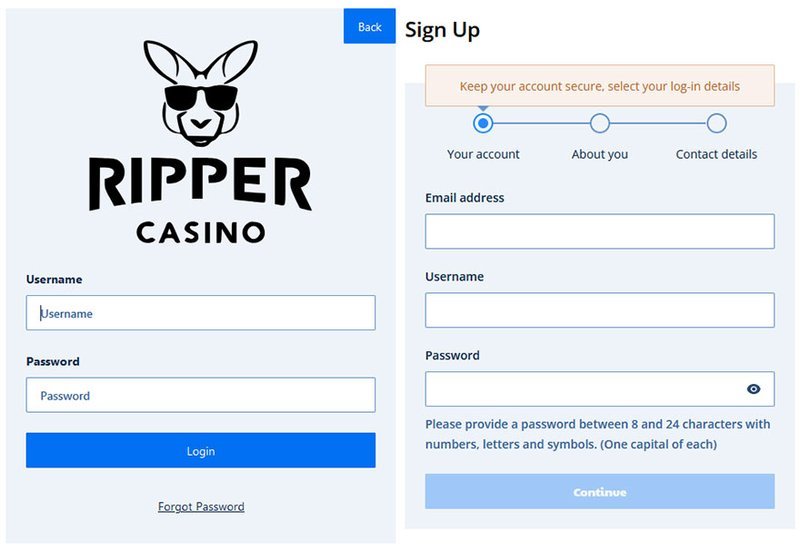
For those curious about how digital entertainment intersects with real‑world leisure, consider exploring the offerings at Ripper casino, where virtual and physical experiences blend seamlessly.
Challenges That Still Exist
Despite the growth, mobile gaming faces hurdles. Battery life remains a concern; a full session can drain a phone’s battery by up to 25 %. Additionally, the free‑to‑play model can lead to “pay‑to‑win” scenarios that frustrate players who feel they must spend money to stay competitive. Finally, the sheer volume of new titles—over 30 000 released in 2023—makes it hard for quality games to stand out without aggressive marketing.
What This Means for the Future of Aussie Entertainment
Looking ahead, the trend points toward a hybrid ecosystem where mobile gaming coexists with traditional media, live events, and immersive technologies like AR and VR. Developers are already testing augmented reality overlays that let players interact with real‑world objects, turning a walk in the park into a quest. If these experiments succeed, the line between digital and physical entertainment will blur even further.
Final Thoughts
Mobile gaming is no longer a niche hobby; it’s a mainstream driver of how Australians spend their leisure time. By offering instant access, social connectivity, and a low entry barrier for creators, it has reshaped the entertainment map. While challenges like battery consumption and market saturation remain, the momentum is clear: the next big wave of Aussie fun will likely come in the palm of your hand.